Why People Are Turning Away From Dating App Swiping
Dating app fatigue is pushing singles offline. See why people are turning away from swiping, what the 2026 numbers show, and the in-person alternatives that work.

Table of Contents
People are turning away from dating app swiping because it takes a lot of time, delivers too few real dates, and often leaves users feeling burned out instead of connected. In 2026, singles are moving toward in-person events, group plans and apps that put meeting face to face first. If you have ever closed a dating app and wondered why you felt worse, you are not alone.
Key Takeaways
Dating app fatigue is widespread. A Forbes Health/OnePoll survey found 78% of recent dating-app users had felt burned out at least sometimes, including 79% of Gen Z.
The big apps are feeling it. Match Group, which owns Tinder and Hinge, ended its second quarter with about 13.3 million paying users, down 6% from a year earlier, while Tinder's monthly active users fell 7%.
The apps are changing course. Tinder has been rolling out an Events tab, and Bumble has been testing a separate app for in-person events.
People still want to meet. They just want less swiping and more real-world time with real people.
What Is Dating App Swiping Fatigue?
Dating app fatigue (also called dating app burnout) is the mental and emotional exhaustion that builds up after weeks or months of swiping, matching and messaging. It tends to show up as boredom, cynicism, self-presentation stress and a sense that dating has become a second job.
Researchers and journalists have tracked the same complaints for years: matches that never become conversations, conversations that never become dates, and a feeling that people are treated like options in a catalogue. For many users, swiping apps reward quantity, not connection.
7 Reasons People Are Turning Away From Swiping
1. The time adds up
One widely shared survey summary put average time on dating apps at around 51 minutes a day, which is roughly six hours a week. Even if your habits are lighter, swiping, replying and re-opening the app is a real time cost, especially when it does not lead to a first date.
2. Matches rarely turn into meetings
A dating app can feel productive because you collect matches. But a match is not a meetup. Many people describe weeks of messages that fizzle out before anyone suggests coffee.
3. Ghosting and scams wear people down
Ghosting, fake profiles, edited photos and romance scams are repeatedly cited in research on dating app fatigue. When trust is low, every conversation takes more effort.
4. Apps are built to keep you scrolling
A Dutch media professor recently described "algorithm fatigue": people increasingly feel the apps are designed to keep them online, not to help them succeed. That perception is a big driver of the shift.
5. Gen Z wants experiences, not profiles
Younger daters grew up with apps and are often the first to push back. One survey reported by Global Dating Insights found that more than 90% of Gen Z would prefer to meet people through social gatherings, classes or other offline settings. Industry data also suggests a large share of new dating-app installs are deleted within a month.
6. It can feel transactional
When someone always seems to be one swipe away, it is easy to stop seeing people as people. Many users say they want to be seen for who they are in a room, not judged on a few photos.
7. The apps themselves are admitting the format is changing
Industry leaders now talk openly about moving away from pure swipe speed. Tinder's Events tab highlights local activities like trivia nights and classes, and Bumble has been testing a standalone Plans app built around curated in-person events with a "meet first, match later" idea. When the biggest names add real-life features, it is a sign users have been asking for them.
Are Dating Apps Dying?
Not exactly. Hundreds of millions of people still have a dating app installed, and some platforms, such as Hinge, have kept growing with younger users. What is changing is how people use them. Many treat apps as one tool among several, not the only route to meeting someone.
The clearest trend is that the starting point for connection is moving offline. People are searching for IRL apps to meet people, joining interest-based groups, trying speed dating and speed friending, and going to events where conversation is the whole point.
What People Are Doing Instead of Swiping
Going to events. Run clubs, trivia nights, classes, supper clubs and open mics put you in a room with people who share your interests.
Using location-based, in-the-moment apps. Instead of browsing static profiles, they check who is nearby and available right now.
Meeting through shared interests. Common ground makes the first conversation easier and removes a lot of small-talk pressure.
Trying slow dating. Fewer, more intentional connections instead of dozens of matches.
Hosting something small. A coffee walk or game night makes you the organizer, not the applicant.
Want a practical starting list? Our guide to meeting people nearby without swiping covers nine ways that work.
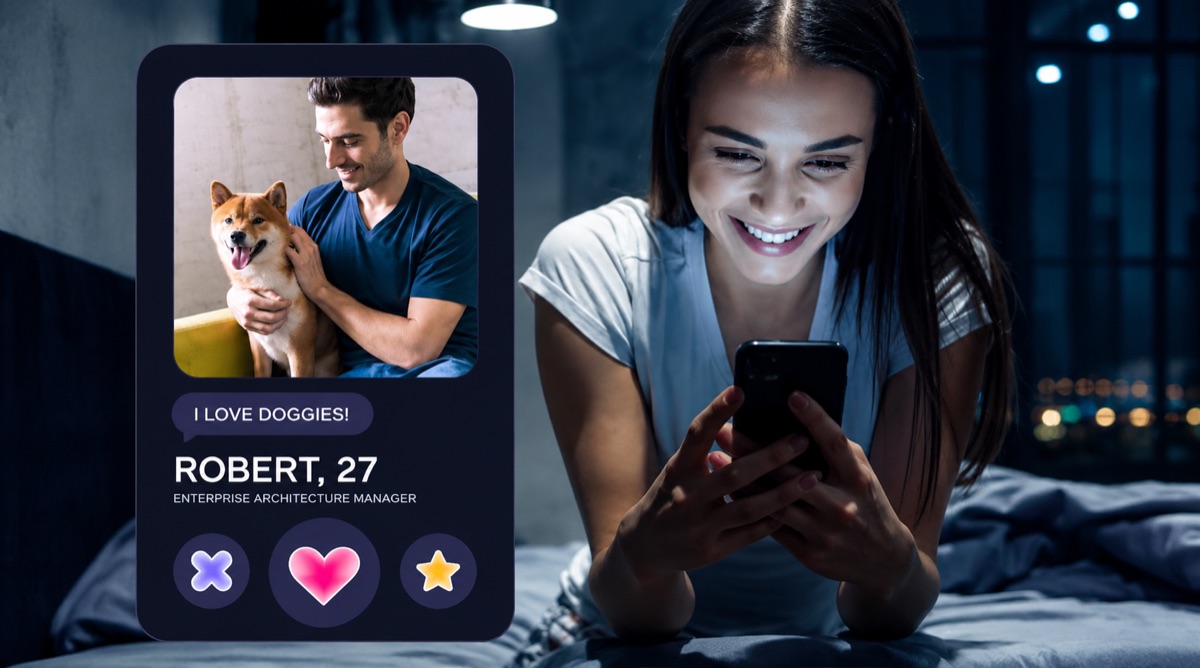
How JoinMeIn Helps You Meet People in Person
JoinMeIn is one of the apps to meet people in real life, built around the idea that a live people nearby app should end with a real meetup, not a longer chat thread. Here is how it differs from a swipe deck:
See who is actually out. The Live Radar shows people nearby who have chosen to go live, for a window you set: 30 minutes, 1 hour or 3 hours. You are invisible until you tap Go live.
Find something to turn up to. Browse IRL events near you tonight, or host your own plan.
Keep dating optional. Dating is a separate layer that stays off until you switch it on. Chat only opens after a mutual Spark, so nobody can message you out of nowhere.
Stay in control. You decide how visible you are, who can see you, and when you disappear.
It is a practical way to meet new people in person and Meet People Nearby without turning your phone into a part-time job. New to the app? See how it works to go from opening the app to being somewhere in three taps.
Tips to Make the Switch From Swiping to Real Life
Set a weekly rhythm. One or two real-world plans a week beat hours of swiping.
Go back to the same places. Familiar faces turn into conversations.
Start in a group. Group settings take pressure off the first meeting.
Keep apps to short sessions if you still use them, and move quickly from chat to a coffee.
Put safety first. Meet in public, tell a friend your plans, and use visibility and blocking controls.
The Bottom Line
People are not giving up on meeting each other. They are giving up on endless swiping. If you feel burned out, the fix is rarely another app with the same format. It is a different format: one that puts people, places and plans first.
Related Reading
Best Apps to Meet People Nearby in 2026: Find Your Social Circle
Read the Blog →
Frequently Asked Questions
Why are people turning away from dating app swiping?
What is dating app fatigue?
Are dating apps still worth using in 2026?
How can I meet people without swiping?
Is JoinMeIn a swiping app?
Keep reading
IRL Dating vs Online Dating: Which Is Better in 2026?
Most Popular Dating Apps in the USA: What Makes a Good Dating App?
How to Ask Someone Out in Person (Without the Awkwardness)
Meet people in real life with JoinMeIn
Go live when you are free, see who is nearby, and turn a good idea into a real meetup today.
Get in touch
Have a question, a story, or a topic you would like us to cover? We are always ready to help.